The Score Magazine at The NAMM Show 2026
Some instruments don’t just survive time, they grow with it. The Fender Telecaster is one of them.
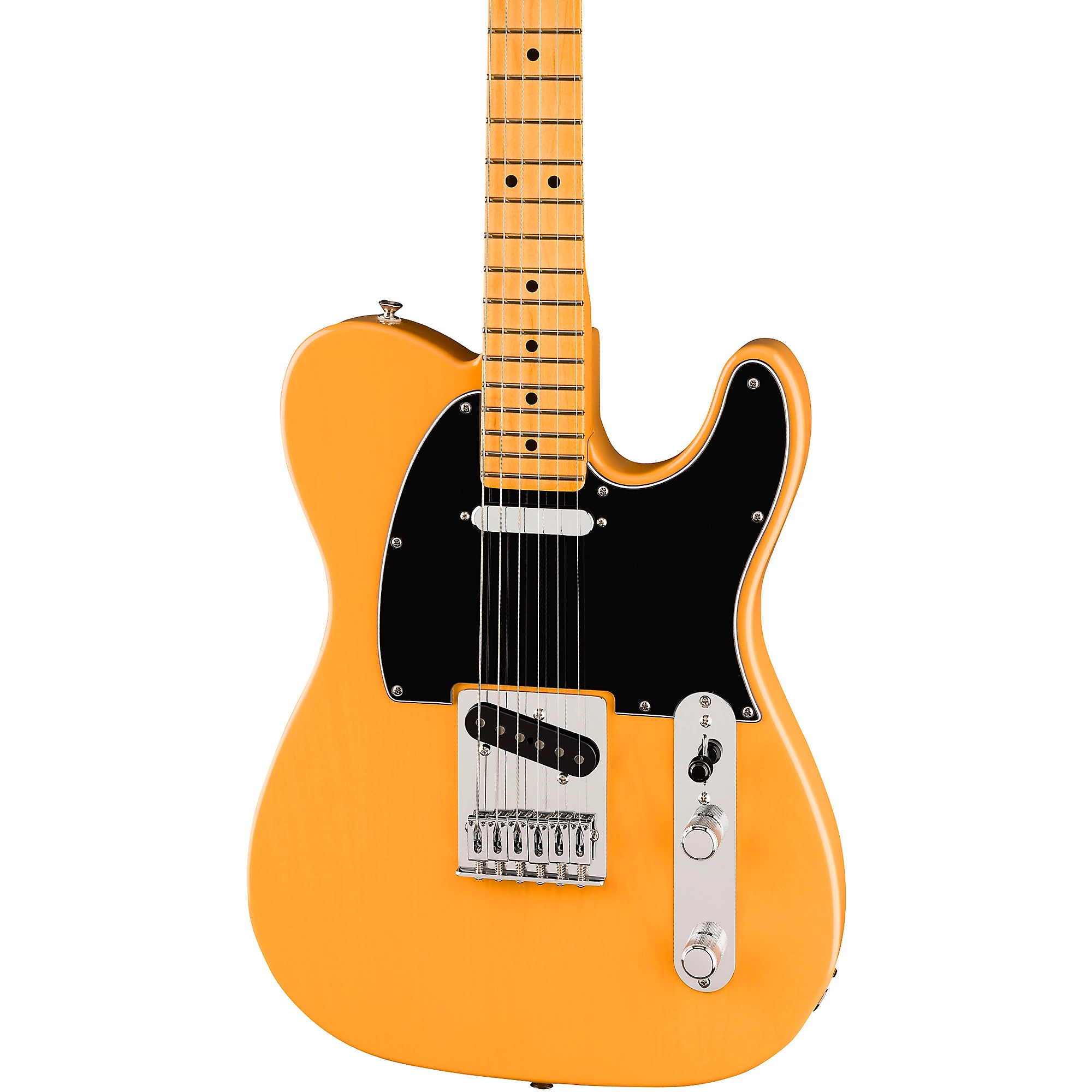
In 1951, when Leo Fender introduced what would become the Telecaster, there was nothing flashy about it. It was practical, sturdy, and built to work. A solid body, a bolt-on neck, two pickups, and a sound that cut through everything else around it. No one could have predicted then that this simple design would go on to shape decades of music.
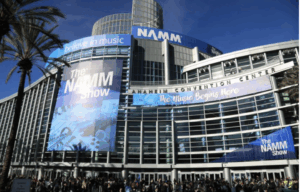
Yet here we are in 2026, with the Telecaster still standing at the centre of the conversation showcased at The NAMM Show during a year that marks 125 years of NAMM, 80 years of Fender, and 75 years of the Telecaster itself.
The 1951 Telecaster: Built to Do One Thing Well
The original 1951 Telecaster was never trying to be elegant. It was built to be dependable. Musicians needed an instrument that stayed in tune, handled the road, and delivered a clear, direct tone. The Tele did exactly that.
Its sharp, articulate sound quickly found a home in country and blues, before being embraced by early rock players. What made it special was not complexity, but honesty. Every note felt exposed. There was nowhere to hide — and that’s precisely why players connected with it.
Over time, the Telecaster became a favourite not because it changed constantly, but because it adapted effortlessly to the hands playing it.
The 2026 Telecaster: Same Soul, Refined Details
At NAMM 2026, Fender’s current Telecaster lineup shows how carefully the instrument has evolved. The shape is familiar. The feel is unmistakable. But the refinements are clear.
Modern Telecasters now reflect decades of feedback from players across genres. Improved pickups, smoother neck profiles, better hardware stability, and more consistent manufacturing mean the guitar performs just as confidently in a studio as it does on stage.
What hasn’t changed is the Telecaster’s character. It still delivers clarity, bite, and presence. Whether paired with modern pedalboards, digital rigs, or straight into an amp, the Tele continues to respond naturally to the player.
Why The Telecaster Still Matters
In a year where Fender celebrates 80 years and NAMM marks 125, the Telecaster stands as proof that good design doesn’t need reinvention, it needs respect.
From the 1951 original to the 2026 models showcased at NAMM, the Telecaster has remained relevant by staying true to itself. It hasn’t chased trends. Instead, it has quietly outlived them.
Seventy five years on, the Telecaster is still doing what it was built to do giving musicians a reliable, expressive tool that lets the music speak first.