The Score Magazine at The NAMM Show 2026
Akai MPC XL makes its NAMM debut, pushing the limits of standalone production
The MPC has always been more than just a piece of gear. For decades, it has been a creative companion for producers who prefer instinct over menus and feel over screens. At this year’s NAMM Show, Akai Professional took that philosophy several steps further with the launch of the MPC XL — its most powerful standalone MPC yet.
The MPC XL arrives at a time when more musicians are rethinking their dependence on computers. Laptops are everywhere, but so is creative fatigue. Akai’s answer is a system that puts everything back into one focused space — powerful, tactile and self contained.
Built to work without a computer
What stands out immediately about the MPC XL is its intent. This is not a controller pretending to be a studio. It is a complete production environment on its own. From writing and recording to arranging and performing, the MPC XL is designed to handle it all without needing a laptop anywhere in sight.
For beatmakers and producers who value speed and flow, that independence matters. The MPC XL encourages long sessions without distractions, letting ideas develop naturally instead of being interrupted by software updates or background processes.
Serious power under the hood
At the heart of the MPC XL is a Gen 2 eight core processor paired with 16GB of RAM. In real terms, this means projects that would normally push a computer can live comfortably inside the unit. Users can run up to 32 plug in instruments alongside 16 audio tracks, with support for 256 voices at once.
Paired with the MPC3 OS, everything feels fast and responsive. Load times are short, playback is smooth, and even dense sessions remain stable. It is the kind of performance that blurs the line between standalone hardware and a full DAW based setup.
Designed for hands, not just eyes
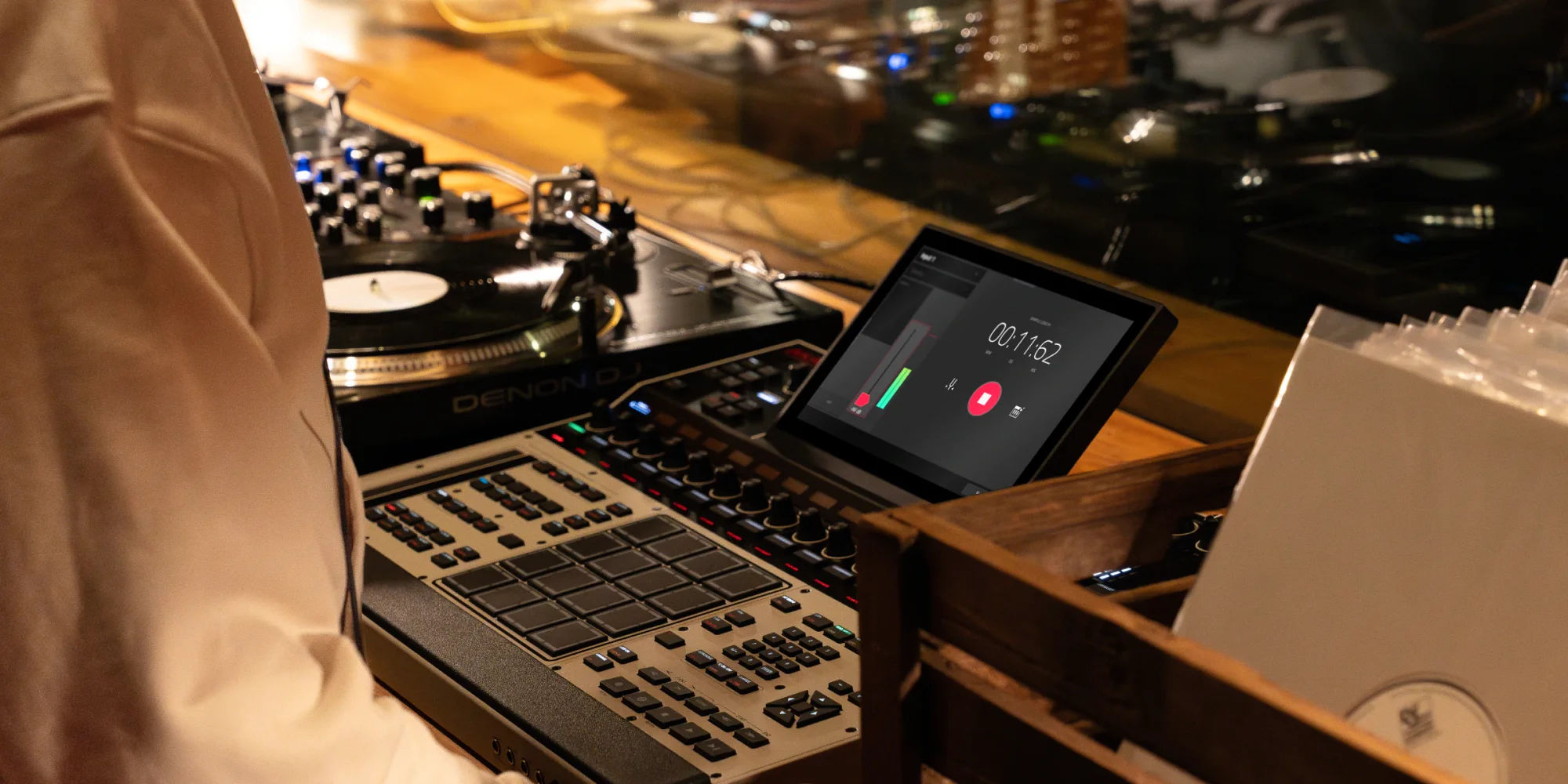
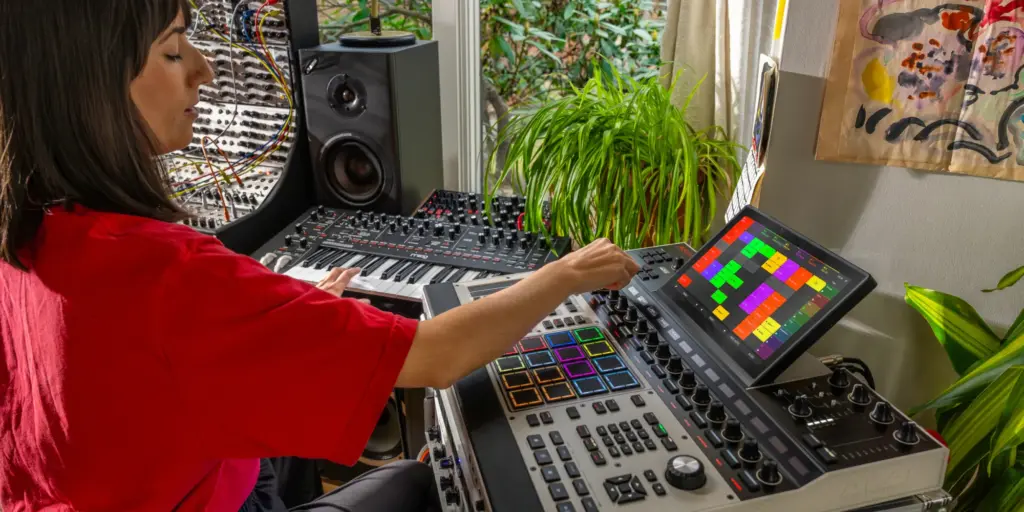
The workflow is anchored by a 10.1 inch HD touchscreen with adjustable tilt, giving clear visual feedback while staying out of the way when needed. Physical buttons mapped directly to key functions keep the experience grounded and immediate. There is very little menu diving here — just direct interaction, the way MPC users expect it.
That balance between screen and hardware is what makes the MPC XL feel like an instrument rather than a device.
A strong statement at NAMM
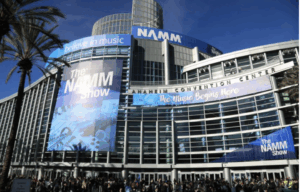
Unveiled on the NAMM floor, the MPC XL felt like a confident statement from Akai Professional. It reinforces the idea that standalone music production is not a compromise, but a serious alternative to computer based workflows.
With the MPC XL, Akai isn’t chasing trends. It’s refining a legacy — one that prioritises focus, creativity and the physical relationship between artist and sound.